

 By
By 
Every Diwali, the same little drama unfolds in homes across the country. The house gets cleaned, the diyas come out, sweets start arriving, and the shopping begins. Somewhere between planning the celebrations and deciding what to wear, someone asks the inevitable question: “What are we giving them this year?”
And so begins the guessing game. A box of dry fruits? Too predictable. Chocolates? They probably already have three hampers. A candle? What if they don’t like the fragrance? Something decorative? Where will they keep it? Another plant? Didn’t we give them one last year?
We browse online, visit stores, ask friends what they’re buying and look for something that feels appropriate, impressive and, above all, safe. Eventually, we find a beautifully packaged gift, convince ourselves it will do, and move on to the next person on the list.
The intention is always good. But here’s a question worth asking: How often does the gift we give turn out to be something the other person actually wanted? You probably know the answer from your own home.
There is that beautiful box you couldn’t bring yourself to throw away. The serving bowl that doesn’t match anything. The scented candle that isn’t your fragrance. The mug you have never used. The hamper sitting unopened because everyone is saving it for later. And then, just before the next festival or family gathering, someone asks, “Can we give this to somebody?” The gift gets wrapped again, perhaps with a different ribbon, and finds a new home. Sometimes, it even comes back to you in another form!
We laugh about these things because they are familiar. But they reveal something interesting about gifting. We spend considerable time, money and effort choosing presents, yet the person receiving them is often the one person whose preferences we haven’t actually checked.
The greatest gift you can give another is the purity of your attention
– Richard Moss

When did gifting become such a guessing game?
The problem isn’t that we don’t care enough. Quite the opposite. We want to express gratitude, strengthen relationships, celebrate milestones and make people feel special. Diwali, birthdays, anniversaries and Christmas give us wonderful reasons to do that.
But somewhere along the way, we’ve started confusing a good gift with an expensive gift, an impressive package or something that looks appropriate for the occasion. We worry about whether it looks premium enough, whether we’ve spent enough and whether it will make the right impression. In the process, we sometimes forget the most important question: will the person receiving it actually enjoy it?
Imagine two gifts. One costs ₹3,000 but sits untouched in a cupboard. The other costs ₹800 and is something the recipient has wanted for months. Which one is more valuable? The answer seems obvious, yet our gifting habits don’t always reflect it.
The value of a gift isn’t determined by its price tag. It’s determined by what it means to the person receiving it.
There is another cost we rarely consider: waste. We rightly talk about festive packaging, plastic, food waste and excessive consumption. But what about the perfectly usable things that are bought, gifted, stored and eventually discarded simply because they were never wanted in the first place?
Every unwanted gift represents a small disconnect between what someone chose to give and what someone else would have chosen to receive. Multiply that across festivals, birthdays, weddings, corporate hampers and family celebrations, and the scale of unnecessary consumption becomes harder to ignore.
Perhaps more thoughtful gifting isn’t just about choosing better products. Perhaps it starts with making better decisions before we buy anything at all. And that brings us to something we don’t talk about enough: why are we sometimes so uncomfortable telling people what we want?

We live in an age when sharing has become second nature. We post pictures of our holidays, our meals, our outfits, our favourite places and the things that make us happy. We share recommendations with hundreds of people online. Yet when it comes to telling our own family or friends what we’d genuinely like as a gift, we hesitate. We worry about sounding demanding, appearing materialistic or spoiling a surprise.
But sharing a wish isn’t asking someone to fulfil it. It’s simply letting them know you a little better.
You don’t need to announce your wishes to the world. Start with your own circle: your partner, your family, your friends and the people who love giving you something special but may not always know what that something should be. After all, isn’t it kinder to give someone a little direction than to leave them guessing?
Think about your own life. There are probably things you’ve seen and thought, I’d really love that. Perhaps you saved a link, took a screenshot, sent it to yourself on WhatsApp or mentioned it in passing to someone. Then life got busy, the link disappeared into a sea of messages, and the wish was forgotten.
Now imagine if the people closest to you could see those wishes when a birthday, anniversary or festive occasion came around. No frantic last-minute searches. No trying to decode vague hints. No need to wonder whether the gift will end up in that familiar cupboard.
Just the pleasure of hearing, “I remembered you wanted this.”
That’s what makes a gift feel personal. Not necessarily its price, its packaging or the element of surprise, but the feeling that someone paid attention.
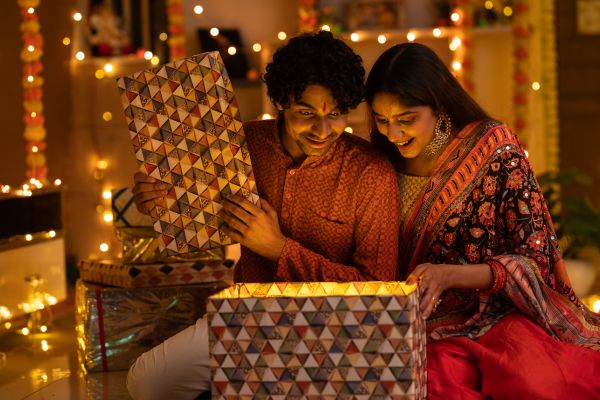
This is where we can change the way we give.
At TIWIW — This Is What I Want — you can create a wishlist of things you genuinely want, from products and experiences to finds from different stores. Keep your wishes organised, and share your wishlist with friends and family when the occasion calls for it. Instead of trying to remember every hint or guess what might be appreciated, the people who matter to you have a better starting point.
And it works both ways. You can discover what the people you love actually want, making it easier to choose gifts they will value and use. A wishlist isn’t a shopping mandate. Every wish doesn’t need to be fulfilled, and every occasion doesn’t need a present. It’s simply a way to make preferences visible, reduce the guesswork and make giving more personal.
So, this Diwali, try something different. Before buying another familiar hamper, think about the person receiving it. What have they mentioned wanting? What would they genuinely use? And if you’re the one hoping for something special, why not share your wish instead of dropping hints and hoping someone catches them?
Make your wishes known. Give the people you love a chance to get it right.
Create your wishlist on TIWIW, add the things you genuinely want, and share it with your circle. Let your next birthday, anniversary or Diwali gift begin with a real wish rather than a guess. Because the joy of giving shouldn’t end with the moment a gift is handed over. It should continue every time the person uses it, enjoys it or remembers the thought behind it.
This Diwali, let’s keep the generosity, the celebration and the joy of surprises — and leave a little less room for guesswork.
Wish with intention. Gift without waste. Make every wish count with TIWIW.















What do you think?