

 By
By 
Have you ever opened a cupboard looking for one thing and ended up discovering things you had completely forgotten existed?
A coffee maker bought during a festive sale.
A yoga mat used only twice.
Books you’ve promised yourself you’ll read “someday.”
Children’s toys that no longer see playtime.
Decorative pieces carefully packed away after shifting homes.
Clothes that still have their price tags attached.
Sound familiar?
Most of us don’t intentionally collect clutter. It simply accumulates over time—one purchase, one gift, one memory at a time. Before we realise it, our homes quietly become storage spaces filled with things that once brought excitement but now sit unused. The irony is hard to miss. While we’re searching online for something “new,” perfectly useful items are waiting patiently inside our own cupboards—or someone else’s. Perhaps it’s time to rethink what decluttering really means.
Every object we choose to repair, repurpose or share is a reminder that value doesn’t end with ownership—it grows when purpose continues.
– Yogita, Founder, TIWIW
Decluttering Isn’t About Getting Rid of Things
For many of us, decluttering means cleaning cupboards, organising shelves, donating belongings or filling bags to throw away. While each of these has its place, they all overlook one important question:
What if the story of that object isn’t over yet?
Too often, we think in only two directions—keep it or discard it. But there’s another possibility.
Give it a second life.
A second life doesn’t always mean giving something away. Sometimes it simply means giving an object another purpose. Sometimes it needs a little repair, a fresh perspective or a new owner. Whatever form it takes, the goal is the same—to allow it to continue creating value instead of quietly gathering dust.
Decluttering, then, isn’t about getting rid of things. It’s about helping things continue their journey.
Every Object Has a Story
Think about some of your favourite possessions.
Your favourite coffee mug that somehow makes tea taste better.
Your first camera that captured unforgettable holidays.
A beautiful serving bowl that’s been part of countless family celebrations.
A travel backpack that’s travelled with you through different cities and adventures.
Or perhaps an old wooden chair that’s quietly sitting in a corner of your home.
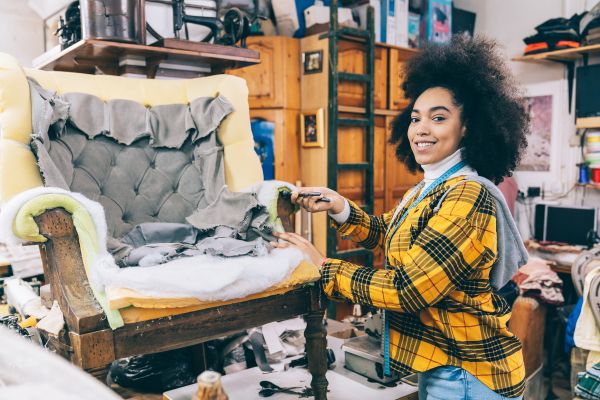
Maybe it belonged to your grandparents. Maybe it was your child’s study chair. Today, it may look worn and forgotten. Yet with a little care, a fresh coat of paint or new upholstery, it could become a cosy reading chair, a plant stand, a statement piece—or simply someone else’s treasured find. None of these objects were created simply to occupy storage space. They were designed to solve problems, celebrate milestones, create memories and bring joy.
When an item sits unused for years, its story doesn’t end. It simply pauses.
Sometimes all it needs is a little imagination, a little care or a new home for the next chapter to begin.
A Second Life Can Mean Many Things
Giving something a second life isn’t limited to donating or giving it away. Sometimes it simply means looking at it differently.
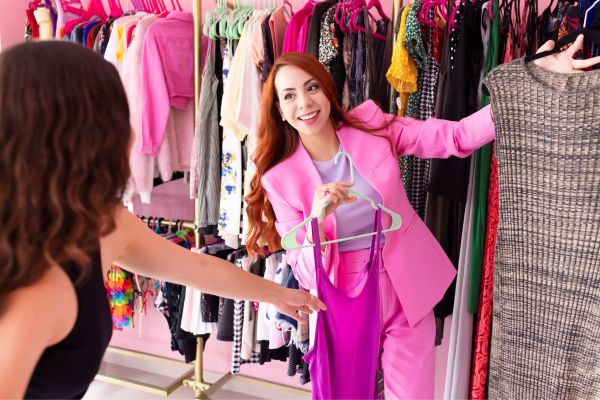
That old wooden chair could become your favourite balcony reading spot. A vintage trunk might become a coffee table. Glass jars can organise your pantry or hold fresh herbs on the windowsill. An old ladder can become a bookshelf, while a faded T-shirt can find new purpose as reusable cleaning cloths.
Other times, the best second life comes from letting someone else enjoy what you no longer use.
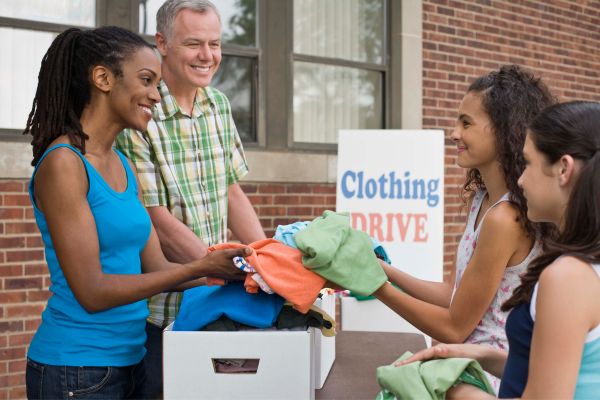
A child’s bicycle can help another youngster learn to ride. Books can inspire a new reader. Sports equipment can motivate someone to begin a healthier lifestyle. Furniture can help a young family furnish their first home. Or, through TIWIW’s Giveaway feature, useful belongings can easily find people who genuinely need or appreciate them.
Whether an item is repaired, repurposed, restored, reused, shared or gifted, what matters is that it continues serving a purpose. Because every object deserves more than storage. It deserves the opportunity for a second life.
Imagine a Different Journey
Imagine opening your wardrobe and finding a jacket you’ve worn only twice. Perhaps you style it differently and fall in love with it again. Perhaps you alter it to suit today’s fashion. Or perhaps it becomes someone else’s favourite jacket.
Imagine moving homes. Instead of paying to transport furniture you no longer use, you refurbish a few pieces, repurpose others and pass the rest on to people who genuinely need them.
Imagine your child outgrowing books, puzzles or sports equipment. Instead of storing them away “just in case,” another family gets to create new memories with them.
Nothing was wasted. Nothing lost its purpose. The journey simply continued.
Small Changes, Bigger Impact
Every product we own has already consumed valuable resources—raw materials, water, energy, manufacturing, packaging and transportation—long before it reaches our homes.
When something is used only a handful of times before spending years in storage, much of that effort goes underutilised. Giving an item a second life, whether by repairing, repurposing, reusing or sharing it, is one of the simplest ways to reduce waste.
The most sustainable product is often the one that’s already sitting in our home. More importantly, decluttering changes the way we think. Instead of asking, “Where can I fit this?” we begin asking, “Do I still need this?” And if the answer is no, the next question becomes even more meaningful:
“How can this continue creating value?”
Start Small. Think Differently.
You don’t have to empty your entire home this weekend. Simply start with one drawer. One shelf. One cupboard.
Ask yourself:
- Have I used this in the last year?
- Does it still add value to my life?
- Could I repair, repurpose or reuse it?
- Would someone else benefit from it more than I do?
If the answer to any of these questions is “yes,” perhaps it’s time to give that object its second life.
Today, making that choice is easier than ever. Technology can help us organise what we own, remember what we genuinely want and even connect useful belongings with people who’ll value them. Platforms like TIWIW make it simple to keep your wishlist in one place while helping perfectly good items continue their journey through features like Giveaway.
Beyond Storage
Perhaps the real purpose of decluttering isn’t to create empty shelves. It’s to create new beginnings.
The old chair waiting in the corner could become the favourite seat in someone’s reading nook.
The bicycle collecting dust could help a child discover the joy of riding.
The books you’ve finished could inspire another reader.
The serving bowl packed away for years could once again become part of someone’s family celebrations.
Every object has the potential for another chapter. Sometimes that chapter begins with a little creativity.
Sometimes with a little repair. Sometimes by simply letting go.
Because the goal isn’t simply to move things out of storage. It’s to give them the opportunity for a second life.
And when we begin to see our belongings that way, we don’t just create more space in our homes. We create more value—for ourselves, for others and for the world around us.












What do you think?