

 By
By 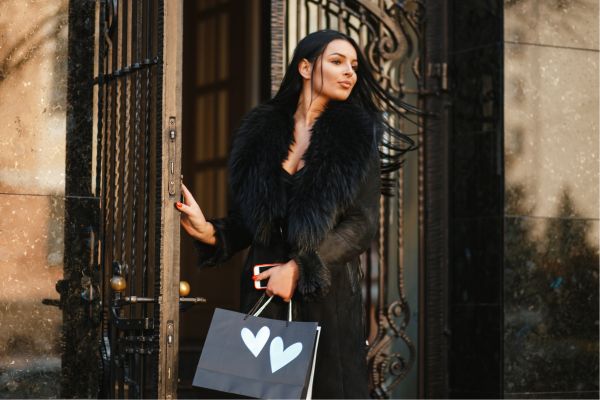
For many years, luxury was associated with expensive brands, grand gestures, and products that looked impressive from the outside. People often believed that the more expensive something was, the more valuable or meaningful it would feel. Gifts were sometimes chosen based on how luxurious they appeared rather than whether the person receiving them would actually use or enjoy them.
But slowly, people are changing the way they define luxury.
Today, practical luxury is becoming more important than performative luxury. People still appreciate beautiful and premium things, but they now want those things to fit naturally into their lives. They want products and gifts that are not only attractive but also useful, meaningful, and relevant.
Luxury must be comfortable, otherwise it is not luxury.
– Coco Chanel
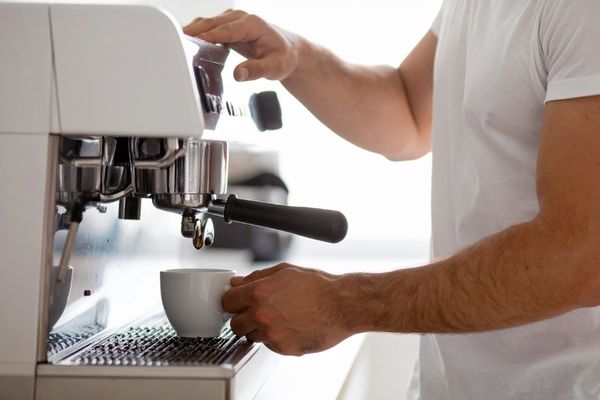
For example, imagine someone gifting a premium coffee machine to a person who truly loves coffee and starts every morning with a fresh brew. That gift becomes part of their everyday routine. Every single morning, they enjoy it, use it, and remember the person who gifted it.
Now compare that with gifting an expensive crystal decorative item that simply sits on a shelf collecting dust. One may look luxurious initially, but the other creates long-term happiness and usefulness.
That is the difference between expensive and appreciated.
One of the biggest reasons behind this shift is that people today are overwhelmed with clutter. Most homes already have too many unused items — decorative gifts, duplicate products, impulse purchases, and things bought only because they were trending or looked premium.
Almost everyone has experienced receiving gifts they never really used. For example, someone who rarely cooks may receive a complicated kitchen appliance. A person who prefers simple dressing may receive flashy clothing that does not match their personality. Someone allergic to certain fragrances may receive expensive perfumes they cannot even use.
These gifts may have been costly, but they fail to create emotional value because they are disconnected from the person’s actual lifestyle.
On the other hand, practical luxury focuses on understanding people better.
For example, gifting a frequent traveler a lightweight cabin suitcase with smart compartments feels thoughtful because it solves a real problem. Similarly, gifting a comfortable ergonomic chair to someone working long hours from home can improve their daily comfort and health. These gifts may not look dramatic on social media, but they create genuine appreciation in real life.
Another reason practical luxury is growing is because time and convenience have become extremely valuable in modern life. People are busier than ever. Long work hours, travel, digital overload, and daily responsibilities have made comfort and ease feel luxurious.
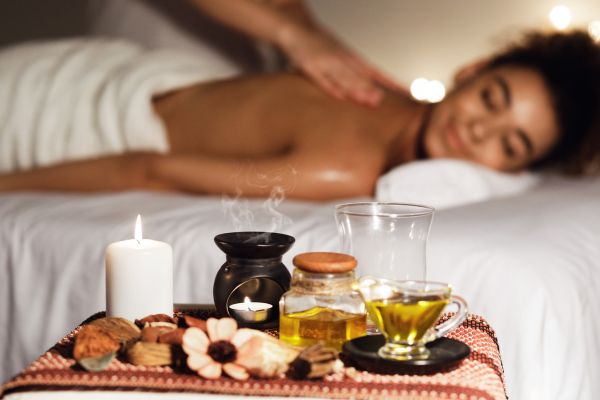
That is why products that improve everyday experiences are becoming more desirable.
For example:
-A high-quality mattress may seem like a simple purchase, but for someone struggling with sleep or back pain, it can completely improve their quality of life.
-A premium water bottle that keeps drinks cold throughout long workdays may become something a person uses daily and genuinely values.
-Noise-cancelling headphones for someone constantly attending online meetings or traveling frequently can reduce stress and improve focus.
-A meal subscription service for busy parents may save time and reduce mental pressure every single week.
-These are practical purchases, but they also feel luxurious because they make life smoother and more enjoyable.
-Interestingly, practical luxury is not always about high prices. Sometimes, it is about thoughtful relevance.
For example, imagine gifting a book lover a Kindle loaded with books from their favorite genre. The emotional value of that gift may feel far greater than gifting a random expensive accessory they may never use.
Similarly, gifting a fitness enthusiast premium workout shoes they have been wanting feels far more personal than giving a generic gift hamper.
People increasingly appreciate gifts that say:“I know you. I understand your lifestyle. I thought about what would genuinely make you happy.”
That emotional understanding itself feels luxurious today.
Social changes have also influenced this trend. Travel, exposure to global lifestyles, sustainability awareness, and minimalist living have made people more intentional about consumption.
Earlier, owning many things was often considered aspirational. Today, many people prefer owning fewer but better-quality items.
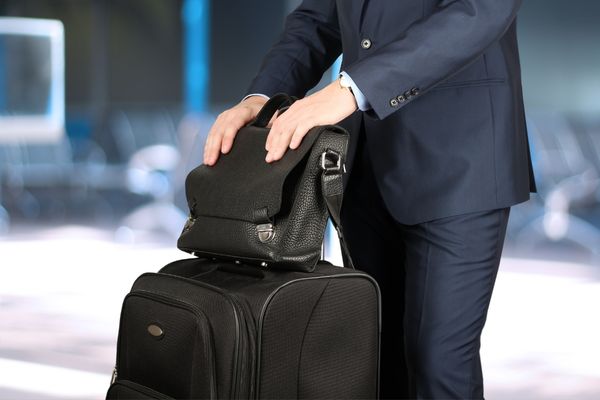
For example, instead of buying multiple low-quality bags every year, someone may invest in one durable leather work bag that lasts for years and works across different occasions. That purchase feels luxurious not because it is flashy, but because it combines quality, durability, functionality, and timelessness.
The same shift is visible in gifting culture.
People are slowly moving away from random gifting and toward personalized gifting. They want to avoid situations where gifts remain unused, get exchanged, or quietly disappear into storage cupboards.
This is why wishlist culture is becoming increasingly relevant.
Platforms like TIWIW support this modern mindset by helping people create personalized wishlists based on things they genuinely want, need, or plan to buy. Instead of guessing, friends and family can gift something meaningful and useful.
For example, someone may add:
- A travel backpack they genuinely need
- A yoga mat they have been planning to buy
- Books they want to read
- Smart kitchen tools they will actually use
- Wellness products aligned with their lifestyle
This reduces waste, avoids duplicate purchases, and makes gifting more thoughtful for everyone involved.
Practical luxury is also closely connected to sustainability. When people buy and gift things that are truly wanted, products are used longer and valued more. This naturally reduces waste and unnecessary consumption.
For instance, gifting reusable premium glass containers to someone trying to reduce plastic use can feel both thoughtful and practical. Similarly, gifting indoor plants to someone who loves gardening creates emotional and environmental value together.
The beauty of practical luxury is that it does not remove joy from gifting or shopping. Instead, it makes those experiences more intentional and emotionally rewarding.
A useful gift continues participating in someone’s life long after the occasion is over. Every time they use it, they remember the thought behind it.
That is why practical luxury is not just a temporary trend. It reflects a deeper cultural shift toward conscious living, emotional relevance, and meaningful consumption.
Today, true luxury is no longer just about owning expensive things.
Sometimes, true luxury is:
- sleeping better,
- living with less clutter,
- saving time,
- feeling understood,
- using things you genuinely love,
- and receiving gifts that fit perfectly into your life.
Because the most appreciated things are often not the loudest or flashiest. They are simply the most thoughtful.















What do you think?