

 By
By 
We often think sustainability requires a dramatic lifestyle overhaul — zero-waste kitchens, solar panels, organic-only wardrobes, electric cars, and a perfectly curated eco-conscious life. It can feel overwhelming, expensive, and frankly, intimidating. Many people quietly think, “I would love to live more sustainably, but where do I even begin?” It doesn’t help that sustainability conversations often sound technical or extreme — carbon footprints, ethical sourcing, composting systems, minimalism challenges. It starts to feel like a lifestyle exam we are unprepared for.
The answer, however, may be far simpler than we imagine. You begin by reusing. Not by becoming perfect. Not by replacing everything you own. Not by preaching. Just by extending the life of what already exists. Reuse is the gentlest, most practical doorway into sustainability. It does not demand that you change your identity or adopt a new label. It simply asks you to pause before discarding. And sometimes, that pause is enough to shift perspective.
We do not inherit the Earth from our ancestors; we borrow it from our children.
– Native American Proverb
Sustainability Feels Big. Reuse Feels Natural.
One reason sustainability feels intimidating is because it sounds like a complete reset. It feels like something you must commit to fully or not attempt at all. That all-or-nothing thinking keeps many people stuck. Reuse removes that pressure. It fits quietly into everyday life without drama.
It looks like:
- Wearing something more than once in new ways
- Repairing instead of upgrading
- Passing forward something in excellent condition
- Borrowing for one-time use instead of buying
These are not radical acts. They are normal decisions made with awareness. And normal decisions, repeated consistently, create long-term impact.

Why Reuse Sometimes Feels Awkward
In many well-to-do households, reuse can carry emotional weight. Over the years, “new” has subtly become associated with growth and success. Anything reused can be misinterpreted as compromise. That discomfort is understandable — but it is cultural, not logical.
There may be silent questions:
- “Will this look like we are cutting corners?”
- “Will they feel we are passing leftovers?”
- “Does this create imbalance in relationships?”
But reuse today is not about affordability. It is about responsibility. When framed properly, it reflects maturity, not limitation.
Thrift Is No Longer About Scarcity
Globally, the meaning of reuse is changing. Pre-loved markets are expanding rapidly — not because people cannot afford new, but because they are choosing differently. Luxury resale platforms, vintage fashion communities, and second-hand designer markets are growing worldwide. Many affluent consumers proudly participate in them.
The shift is powerful.
Buying pre-owned today signals thoughtfulness. It reflects awareness about overproduction and waste. It shows confidence in choice rather than dependence on novelty. India is slowly witnessing this shift too. And households that understand this early will help normalize it.that requires awareness, not assumptions.
Reuse Is Circulation, Not Charity
The discomfort around reuse often comes from hierarchy — the feeling of “giving down.” But reuse works beautifully when framed as circulation rather than charity. There is a difference between saying, “I don’t need this anymore, you take it,” and saying, “This is in excellent condition and deserves to be used fully — would you enjoy it?” The second approach preserves dignity. When items are clean, well-maintained, thoughtfully offered, and given without pressure to accept, the exchange feels collaborative rather than charitable. It becomes about extending value, not offloading excess.
Perhaps the language itself needs to evolve. Instead of “hand-me-down,” think “hand-forward.” Because reuse is not about passing old value downward; it is about allowing value to continue its journey. An outfit worn once for a wedding, a kitchen appliance barely used, a book that has already inspired you, a child’s toy outgrown but intact — these are not leftovers. They are paused utility. Reuse simply presses play again.
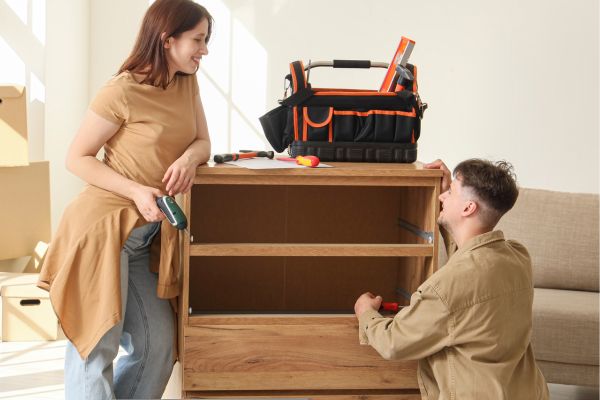
In Affluent Homes, Reuse Is a Stronger Signal
When financially comfortable families choose reuse, it sends a powerful message. It demonstrates that wealth does not equal wastefulness.
It says:
- We are not driven by constant upgrades.
- We respect the effort behind production.
- We understand the difference between price and value.
Children growing up in such environments learn that consumption is a conscious act, not an automatic one. That awareness shapes lifelong habits far beyond sustainability trends.
The Environmental Math Behind Reuse
Every product carries hidden environmental cost. From raw material extraction to manufacturing, packaging, and transportation, resources are invested long before an item reaches our homes. When we discard something prematurely, that entire chain of effort is wasted.
Reuse protects that embedded energy. It reduces demand for new production. And reducing demand is often more impactful than managing waste. The most sustainable product is frequently the one that already exists.
Reuse Reduces Emotional Clutter
Beyond environmental benefits, reuse also addresses emotional clutter. Many homes are filled with items that are too good to discard but not useful enough to keep. These items create silent guilt.
Passing them forward responsibly transforms that guilt into relief. The object continues to serve. The space feels lighter. The mind feels clearer. Decluttering through reuse is not just physical — it is emotional.Smart gifting isn’t about perfection. It’s about presence.
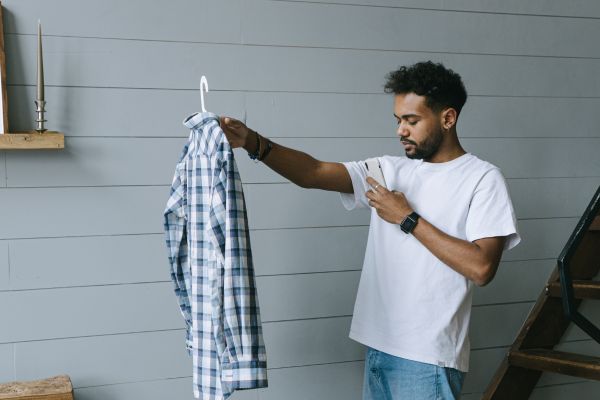
Reuse Builds Social Sustainability
Sustainability is not only environmental. It is social too. When items circulate within trusted networks, relationships deepen.
Swapping festive outfits among friends.
Rotating books in apartment communities.
Sharing children’s items within families.
Exchanging décor seasonally.
When everyone participates, dignity remains intact. It becomes shared responsibility, not one-sided giving. Reuse quietly strengthens social bonds.
When Reuse Is Not Appropriate
Of course, responsible reuse requires standards. Not everything should be passed forward. Items that are damaged, worn beyond use, or unhygienic should not be circulated. Reuse must elevate value, not shift burden. Clean condition, functional quality, and honest communication preserve its integrity. When done thoughtfully, reuse feels premium — not second-grade.
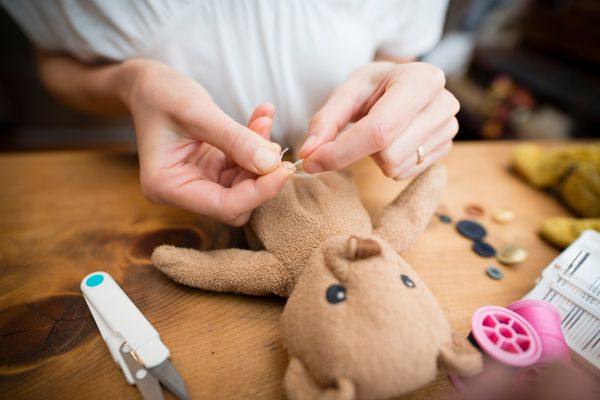
Why Reuse Is the Easiest Entry Point
The reason reuse works is because it does not demand perfection. It allows gradual change without pressure. It begins with one small question before discarding:
“Can this serve longer?”
“Can this serve someone else?”
That question creates awareness. Awareness shapes decisions. Decisions form habits. And habits build sustainable lifestyles organically.
This is also where subtle tools can support mindful circulation. Platforms like TIWIW, for instance, quietly encourage intentional sharing — whether through wishlists that prevent unnecessary gifting or features ‘Giveaway’ that allow items to be given forward meaningfully within trusted circles. The idea is not to promote more consumption, but to ensure that what already exists finds the right home. When exchange becomes organized and respectful, sustainability becomes easier to practice without awkwardness.
Sustainability does not require you to transform your life overnight. It does not demand a new identity or a public declaration. It asks for one pause — before replacing, before discarding, before upgrading. Reuse is not regression; it is refinement. It is not about scarcity, but stewardship. In modern Indian homes — modest or affluent — reuse can become a statement of awareness and quiet leadership. Because sustainability does not always begin with buying differently. Sometimes, it begins with simply valuing what you already have. And that is a step every one of us can take today.
















What do you think?